
Online EMDR Therapy in Seattle & Washington
EMDR therapy offers an effective, research-backed method of processing trauma and distressing memories. By tapping into your brain and body’s innate processing abilities you can feel better naturally - without needing to fully remember or talk it all through. Services are available in Seattle and throughout Washington with secure online sessions.
Request a free consultation to discuss how EMDR can help you heal — without a bunch of unnecessary time or struggle.

EMDR Offers New Possibilities for Healing
Many people get stuck in traditional talk therapy and lose hope that change is possible. EMDR therapy differs from traditional talk therapy by targeting the brain’s deeper processing systems instead of just verbal discussion. While talk therapy engages the logical brain, it often misses the emotional and neurological patterns where trauma is stored in the nervous system. This can leave people feeling stuck in a place where they understand what is happening and why but are unable to move past it.
EMDR is a research-backed approach that uses bilateral stimulation, like guided eye movements, to activate the brain’s natural healing and reprocess traumatic memories and negative beliefs. By working directly with the nervous system, it helps resolve distress and reduce symptoms more efficiently.
How EMDR Therapy Works
EMDR supports healing from trauma, PTSD, anxiety, and other distressing experiences by facilitating the brain’s natural ability to reprocess difficult memories. Unlike traditional talk therapy, EMDR does not require you to relive or discuss the traumatic event in detail. Instead, it uses bilateral stimulation, such as side-to-side eye movements, to help your subconscious mind do the heavy lifting. EMDR helps when traditional talk therapy is not enough.
EMDR, known more fully as Eye Movement Desensitization and Reprocessing therapy, can be divided into three basic parts:

Preparation
Gathering relevant details and a list of distressing memories to reprocess. Additionally, we'll work to help build some coping skills to use if needed when we start the processing phase.
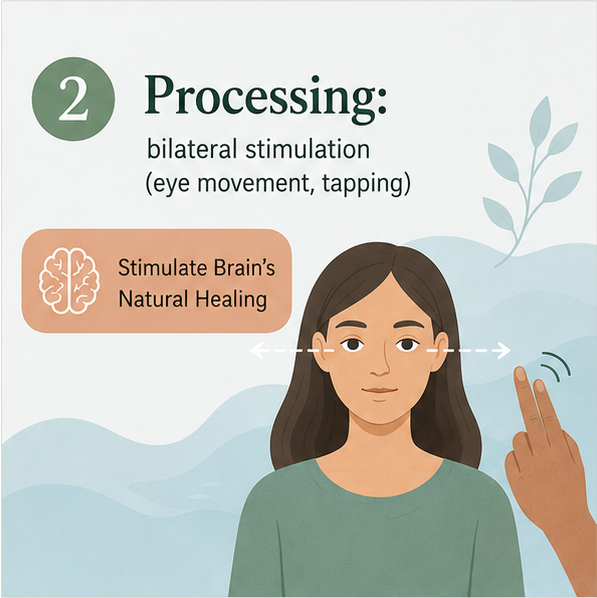
Processing
You’ll recall a mental snapshot of a memory and then follow me as I engage you in bilateral stimulation (a term that just means engaging both halves of your brain). The most common way is following my finger as it moves side to side. We'll repeat this in short rounds of 30-90 seconds and watch the natural healing process unfold.
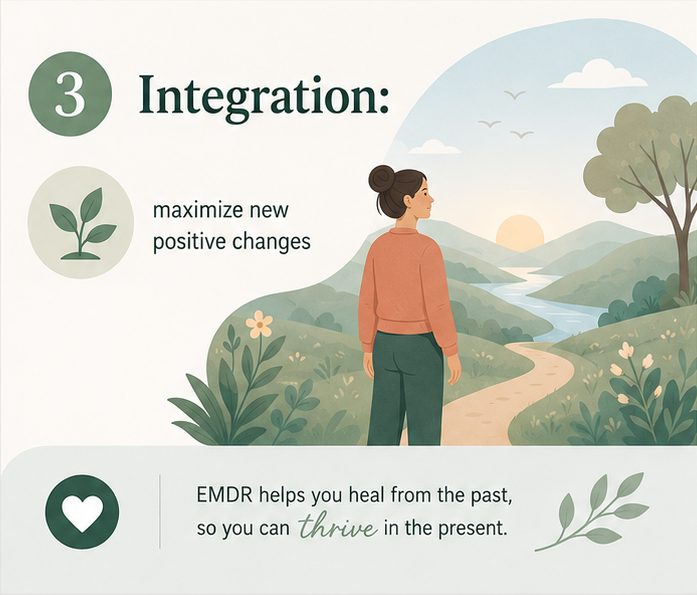
Integration
Once processing is complete, you'll feel much less upset and have a new positive belief that replaces the negative belief created by the memory. Integration helps you strengthen this belief and resolve any blockers to fully believing it.
EMDR Is an Evidence-Based Treatment
EMDR therapy has been extensively researched and is recognized as an effective treatment for trauma and related conditions. Numerous studies support its use, demonstrating significant benefits for clients. Here are some key research studies on EMDR therapy:
Meta-Analysis on EMDR Effectiveness summarizing over 26 randomized controlled trials.
Van Der Kolk (2021) Randomized Clinical Trial comparing EMDR and pharmacotherapy for PTSD.
Taylor et al. (2003) Comparative Efficacy Study examining EMDR, exposure therapy, and relaxation training.
Adaptive Information Processing Theory Review explaining the theoretical basis of EMDR.
These studies highlight EMDR's evidence-based foundation and its growing acceptance among mental health professionals.

Is EMDR Right for You?
EMDR therapy helps address a wide range of mental health issues because it targets the underlying root causes rather than just the symptoms. By facilitating the brain’s natural processing of traumatic memories and distressing experiences, EMDR can reduce the emotional intensity and negative beliefs associated with these events. This deep-level work allows clients to experience lasting relief and improved functioning across many areas of life.
EMDR is used for treating:
Post-Traumatic Stress Disorder (PTSD)
Anxiety disorders
Depression
Complex trauma
Panic attacks
Phobias
Complicated grief
Negative self-talk and self-doubt
Substance abuse
Eating disorders
Chronic pain
Relationship difficulties related to past trauma
EMDR therapy is supported by more than 26 randomized controlled trials, multiple meta-analyses, and systematic reviews, demonstrating its effectiveness, particularly for PTSD in both adults and adolescents.
Because EMDR works on the root causes stored in the nervous system and brain, it can help clients achieve healing that goes beyond traditional talk therapy approaches.
Why Get EMDR at Vital Flow Therapy?
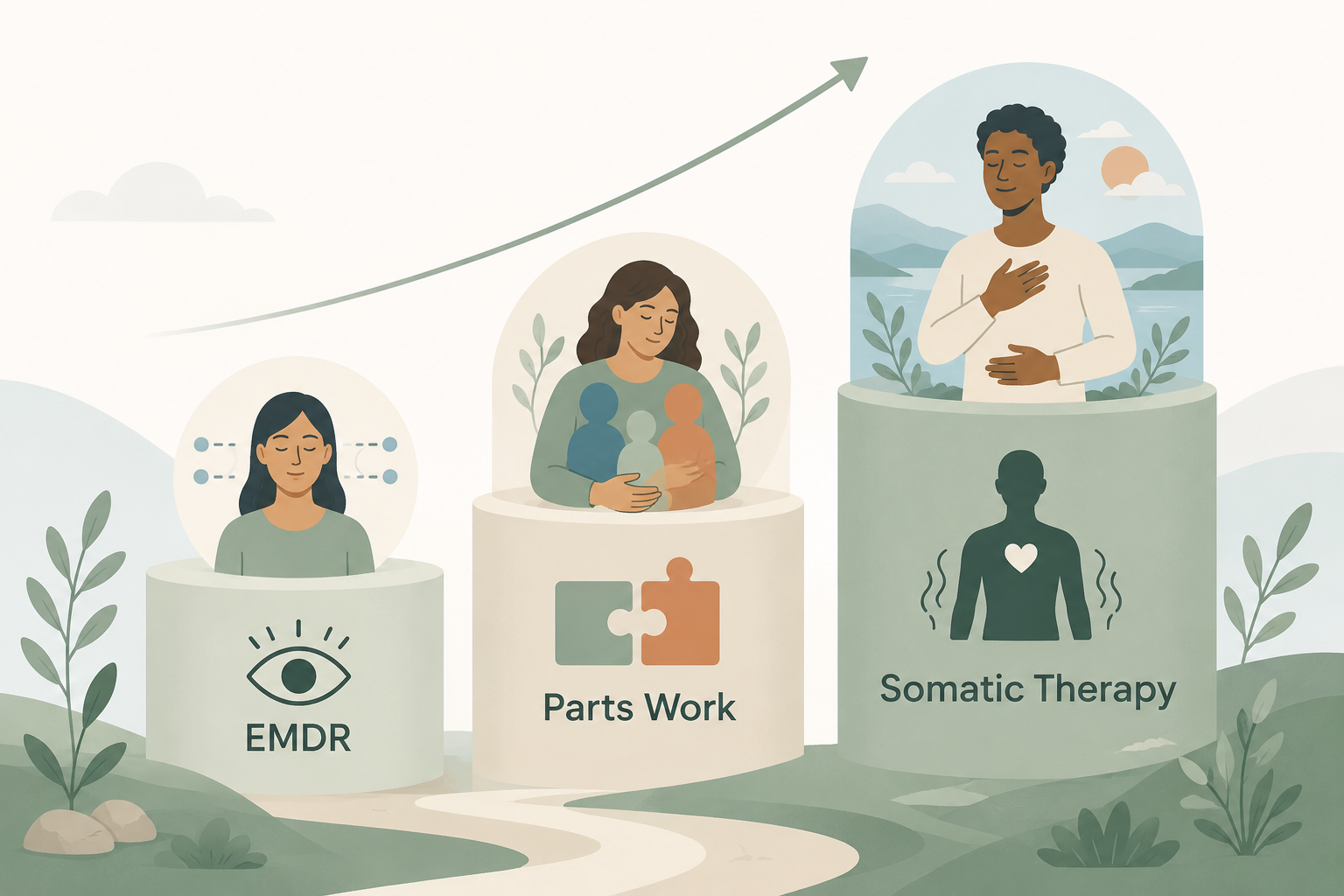
To be frank, you probably will benefit from more than just EMDR alone and a lot of other providers don’t have those more advanced, trauma-based modalities to offer you.
I find that EMDR is helpful in reducing the distress of a memory but oftentimes more is needed to help fully process the issue and its impacts. So much of what my clients experience are traumas and difficulty from childhood in relationship with their parents. These relational and attachment wounds impact their sense of self-worth and trust in others, both of which need more than EMDR alone. Internal Family Systems (IFS) and Somatic therapy can be integrated with EMDR therapy to address complex trauma and relational wounds, supporting deeper healing and integration of different aspects of the self.

I'm Brandon, an EMDR Therapist and Trauma Specialist
I know first-hand the effects of trauma and have focused my career on helping trauma survivors finally feel good being themselves. Using a blend of the best trauma-resolution methods available, I've helped many clients get unstuck and finally feel good being themselves.
I'm a dad, husband, and former software engineer who now follows my passion for helping people navigate life's challenges and become their best selves. As a mental health counselor, my approach is rooted in authenticity, presence, non-judgment, and a deep respect for each person's unique journey toward healing.
What to Expect During EMDR Sessions
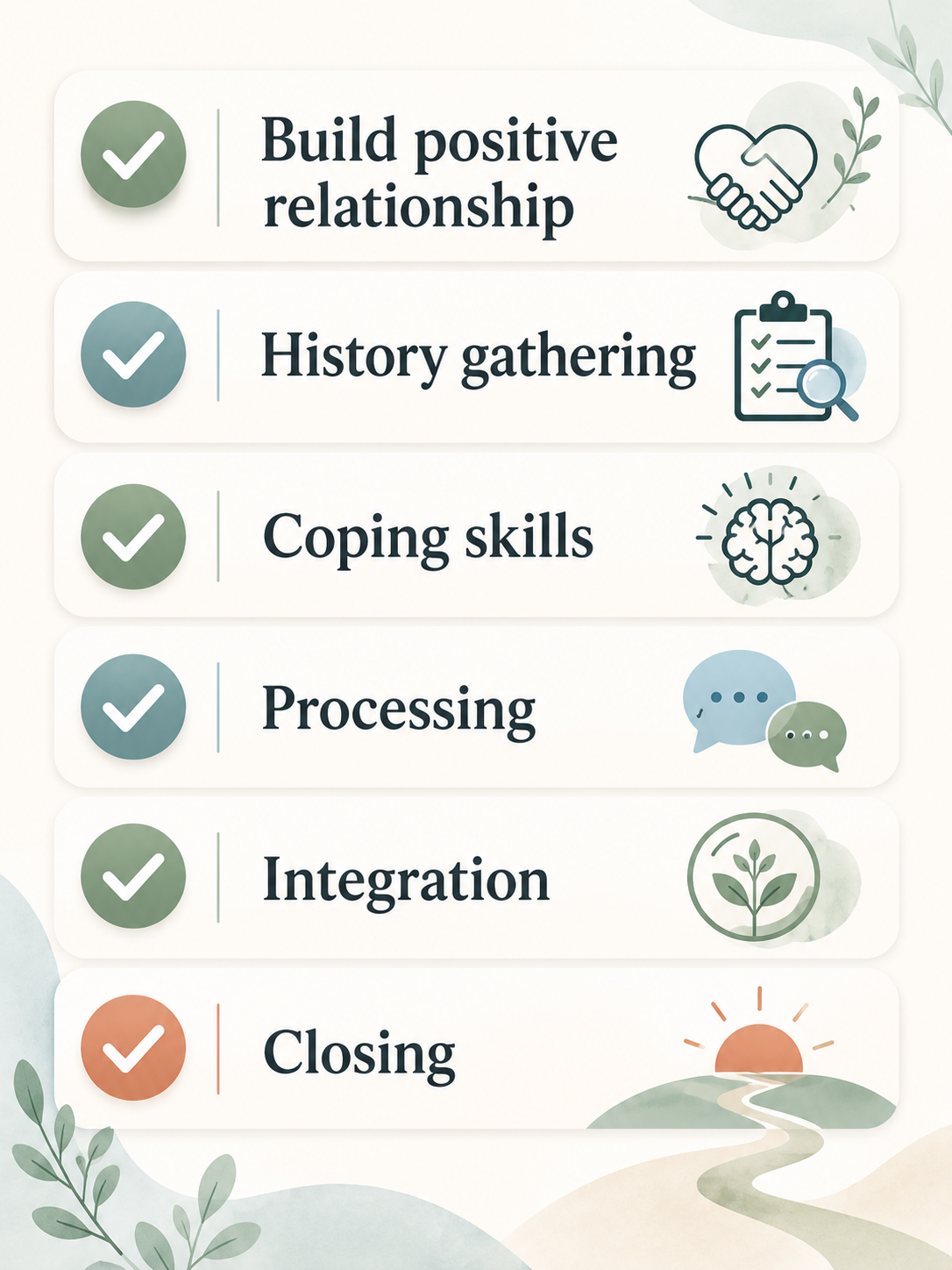
During your first appointment, we'll focus on building a strong therapeutic relationship. This foundation is important to ensure you feel safe and supported throughout therapy sessions. We'll discuss your history, current challenges, and develop a personalized treatment plan tailored to your needs.
EMDR therapy follows a structured process consisting of eight phases. Initially, I will help you prepare by teaching self-care techniques and coping strategies to manage any feelings of vulnerability that may arise.
During the core processing phases, you won't be asked to relive disturbing events in detail; instead, the focus is on gently targeting specific memories or feelings that still affect your day-to-day life. I will guide you through bilateral stimulation—often using eye movements, taps, or sounds—while you hold a target memory in mind. This guided technique helps your brain reprocess the memory, reducing its emotional intensity and allowing you to feel calmer and more in control. Throughout this process, I monitor your responses and adjusts the pace to ensure you feel comfortable and safe.
Between sessions, you’ll be encouraged to practice self-care and use grounding techniques to support your healing. Over time, many clients notice a shift in how they relate to past experiences, feeling less overwhelmed and more present in their own life. EMDR therapy is designed to be a collaborative, compassionate journey, helping you heal without fear or pressure.
Online EMDR Therapy in Seattle & Washington
I offer EMDR therapy services to clients located in Seattle and throughout Washington State, including convenient telehealth options. Secure, HIPAA-compliant online sessions make accessing effective EMDR therapy easy and flexible. Telehealth allows you to engage in therapy without the need for travel, fitting treatment into your busy schedule.
This accessibility ensures that support is available to you no matter where you are in Washington. My goal is to make EMDR therapy as approachable and convenient as possible while maintaining the same high standards of care and confidentiality as in-person sessions.

EMDR Can Help You...
Be less anxious and depressed by default
Break self-sabotaging habits and form healthy new ones
Feel a radiant sense of confidence coming from your true self
Feel loved and secure in your relationships
Forgive yourself for the regrets of your past
Break free of the critic and help it step into a healthy role as a coach
Connect with a guiding purpose for your life
“Brandon is the best therapist I’ve ever had. I never had a good experience with therapy before going to this therapist. Before I was depressed and suicidal every day but now that I went to see Brandon as my therapist I am doing much better and I have hope to live again.”
Ready to explore more?
I’d love a chance to hear your story and discuss how we can help you be free to live your fullest. Please reach out for a free, no-pressure video consultation.
Frequently Asked Questions
-
Multiple research studies show that telehealth counseling can be just as effective as in-person therapy for many mental health concerns. It also offers added flexibility, consistency, and accessibility.
-
I don't accept any health insurance plans, however if your plan offers out-of-network services, you may be partially reimbursed. Please contact me to have a free estimate.
-
I’ve worked with a wide range of concerns and tailor the process to each individual. Therapy is a collaborative process focused on building awareness of your patterns and emotional responses, experimenting with new strategies and perspectives, and creating lasting change. In most sessions, you can expect to walk away with something tangible—whether that’s a new insight, a practical strategy, or a sense of relief. These small shifts help us confirm we’re moving in the right direction.
-
Usually, you can have your first therapy session within a week. You can book your free consultation right now!
-
A lot of clients come to me unsure about the things they are experiencing or feeling. You don’t need to have everything figured out before reaching out. If you’re interested in exploring therapy or just want to talk through what’s going on, our consultation is a safe space to clarify your experiences and discuss the route forward.
-
Yes. EMDR therapy is a well-researched, evidence-based treatment widely used for trauma and PTSD. It has strong clinical support from organizations such as the American Psychiatric Association and the World Health Organization. Numerous studies, including over 26 randomized controlled trials, demonstrate its effectiveness in reducing symptoms related to trauma, anxiety, and distressing experiences. This well-established therapy helps clients process and heal from past wounds safely and effectively.
-
EMDR therapy can be effectively adapted for telehealth sessions using guided techniques such as eye movements, tapping, or auditory cues delivered through secure video platforms. Many clients in Seattle, Washington, and Michigan benefit from virtual EMDR therapy, which offers the convenience of receiving well-researched therapy from the comfort and safety of their own homes.
-
No. EMDR therapy is designed to help you process memories safely and at a manageable pace. You won’t be overwhelmed or forced to relive every detail of your traumatic experiences. It's normal to feel vulnerable during therapy, but EMDR is specifically designed to support you through the process safely and avoid retraumatization. Instead, the therapy guides your brain to reprocess distressing memories gently, reducing their emotional impact over time. This approach allows you to heal in a way that feels secure and supportive of your well-being.
-
The number of EMDR sessions varies depending on your individual needs, personal history, and therapy goals. Some clients may experience significant relief within a few sessions, while others with more complex trauma or longstanding issues might require a longer course of treatment. I will work with you to create a tailored plan that fits your unique situation and supports your healing journey effectively.